Why Retaining Walls Fail and What You Can Do About It
Most retaining wall damage happens because of water pressure, poor drainage, weak construction, or shifting soil. When water builds up behind the wall, it pushes forward. Over time, that pressure can crack, lean, or even collapse the wall. Small problems often start quietly, but they grow fast if ignored. Knowing what causes the damage can help you act early and avoid major retaining wall repair later on.
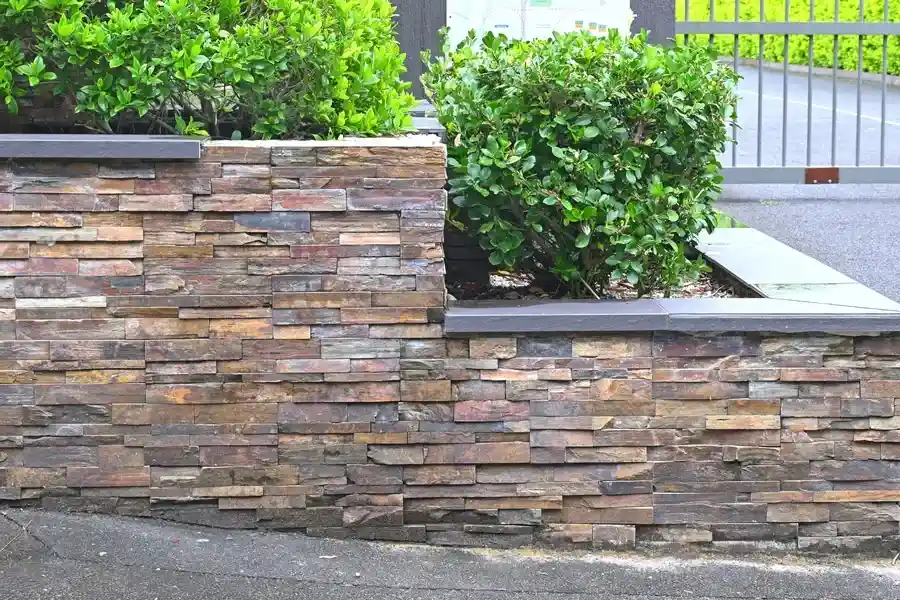
Common Symptoms of Wall Problems
Retaining walls rarely fail without warning. There are usually signs that something is wrong. If you spot these early, you may save money and stress.
- Cracks in the concrete or blocks
- Wall leaning forward
- Bulging in the middle of the wall
- Water leaking through seams
- Soil washing out from the base
- Loose or fallen blocks
A small crack might not seem serious at first. But cracks often allow water inside. Once water gets in, it weakens the structure from behind.
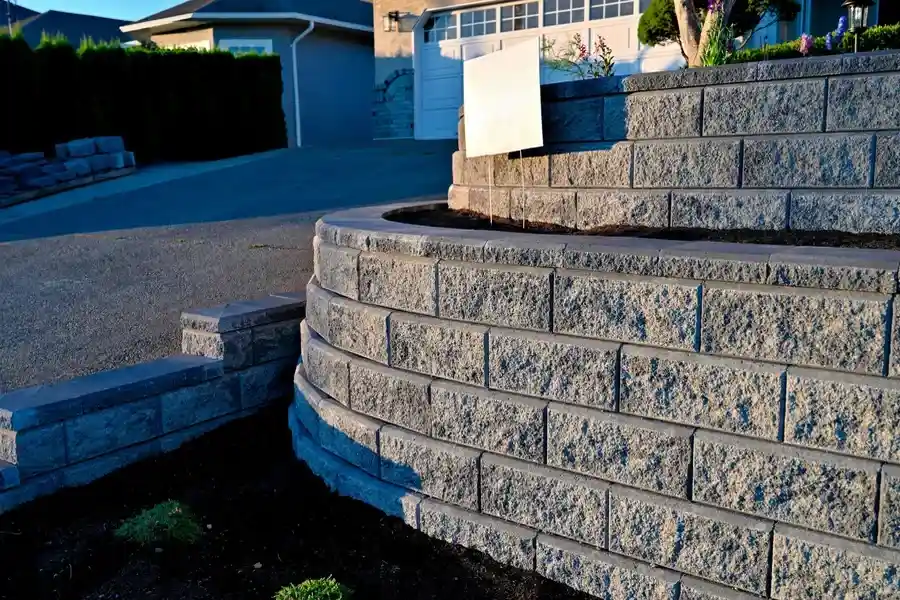
Likely Causes of Retaining Wall Damage
The number one reason walls fail is poor drainage. Water is heavy. When it collects behind the wall, it creates hydrostatic pressure. That force pushes forward with great strength.
Other common causes include:
- No drainage pipe behind the wall
- Clogged gravel backfill
- Improperly compacted soil
- Tree roots pushing from behind or below
- Frost heave in cold weather
- Walls built without reinforcement
Bad design can also lead to early failure. If the wall is too tall for its thickness, it will struggle to hold back the soil. Poor installation during the original build often leads to future retaining wall repair work.
What to Check First
If you notice damage, start with drainage. Look for signs of standing water near the base. Check if downspouts are emptying too close to the wall. Make sure the soil on top slopes away, not toward it.
Next, inspect the structure itself. Measure how far the wall is leaning. Small shifts can sometimes be corrected. Large shifts often mean deeper problems underground.
Also check for erosion at the bottom. If soil is washing out, the foundation may be exposed. That weakens support and increases movement.
Safe Fixes Vs Professional Repairs
Some minor problems can be handled safely. For example, cleaning clogged drainage areas or extending a downspout is simple and low risk. Adding soil to fill small washouts can also help for a short time.
However, larger issues require professional retaining wall repair. These include:
- Walls leaning more than a few inches
- Large horizontal cracks
- Sections that have collapsed
- Foundation movement
Serious repairs may involve rebuilding part of the wall, adding tie-backs, or installing new drainage systems. These projects require the right tools and experience. Trying to fix structural damage without proper knowledge can make things worse.
How to Prevent Future Damage
Prevention starts with good drainage and regular checks. You do not need to inspect your wall every week, but a few times each year is smart.
Here are simple prevention steps:
- Keep gutters and downspouts clear.
- Make sure water drains away from the wall.
- Trim large tree roots near the structure.
- Seal small cracks before they grow.
- Watch for changes after heavy rain.
If you live in an area with freezing winters, pay attention after thaw cycles. Soil expands when frozen and shrinks when it thaws. That repeated movement can stress the wall over time.
Quality construction also matters. A well-built wall with proper base preparation and drainage will last much longer. Investing in solid materials at the start often reduces the need for major retaining wall repair later.
When to Get Expert Help
If you are unsure about what you see, it is smart to ask for advice early. A professional can tell you if the problem is cosmetic or structural. Catching damage early usually means smaller repairs and lower cost.
Walls that hold back large slopes or protect structures like driveways should never be ignored. The risk of collapse can lead to property damage or safety issues. When in doubt, a proper inspection brings peace of mind.
Get Help Before Small Problems Grow
If you see signs of damage around your property in Capitol Heights, MD, I can take a close look and explain your options clearly. At GDR Concrete Construction LLC, I handle retaining wall repair with care and honest advice. Call me at (240) 359-1422, and I will help you fix the problem before it turns into a bigger headache.